
Learn more about when the NDIS may fund psychology services to increase capacity, independence or daily living skills for NDIS participants living with ASD.
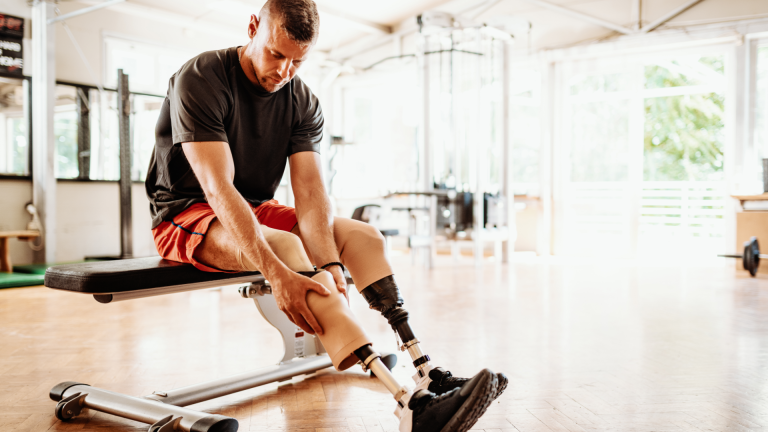
Overcoming Common Challenges in Adaptive Sports
April 8, 2025
There’s an adaptive version of almost any sport you might be interested in. Adaptive sports are modified to be more accessible; this can be done on a small scale at local clubs to allow community members to join safely, or via a more official, competitive classification system like Para-sport.
Sport and physical activity can be life-changing for people living with disability. If you’re an NDIS participant looking to get into sport, this guide can help you get past four common challenges and make it happen.
1. Finding the right sport for you
You might have to try a few before you find your fit. Even Paralympic athletes often admit to a few false starts before finding the sport they love. Trying can be part of the fun – ‘come and try’ days let you test the waters before committing, or you can tag along with a friend to see if it’s a good fit.
When we talk about finding the right sport, there are a few things you should ask yourself about your chosen activity:
- Does it fit your needs?
- Can you tie it in with your NDIS plan goals?
- Can you see yourself doing this activity long-term, so you can get the full benefits of building skills and stamina over time?
- And most importantly – do you have fun and feel good doing it?
Giving it a go: Popular Adaptive Sports to try
Not sure where to start? Many people enjoy popular and accessible options like swimming, cycling, running and athletics, football, or tennis. These sports have many adaptable options to accommodate different needs, whether you do them at a competitive level or for social fun and exercise.
Related:
- 5 Most Popular Adaptive Sports in Australia for People Living with Disability
- Paralympian Maddie McTernan: “Be Brave. Be Strong. You’ve Got This.
2. Finding sporting opportunities in your local community
Where you live in Australia can impact what is available to you. Unfortunately, the difference between residing in remote areas and more urban areas might mean you don’t have the opportunity to try certain things in your hometown.
Whether you’re just looking for a weekly social game or dreaming of representing Australia, there are options to suit your goals. You can find opportunities by:
Searching via disability sport organisations
National or state organisations have an overview of what resources and clubs are available across their networks. For people living with disability wanting to get into sport; you might try looking for adaptive sports through national organisations like Disability Sports Australia, or the Australian Sporting Alliance for People with a Disability (ASAPD).
If you’re curious about Para-sport or want to represent Australia one day, you can find information through Paralympics Australia’s The Start Line program. This hub is where you can check your eligibility, find ‘Try Para-sport’ events in your state, or even submit your application for the Paralympic Talent Search. Whether you’re just getting started, looking to be classified, or continuing your journey in Para-sport, The Start Line is a great resource.
Reaching out to local sport or recreation centres
If you don’t ask, you might not get! Expressing interest can help local clubs and sports organisations recognise demand for accessible programs.
Additionally, they can point you in the right direction if adapted sports programs are already being run; or through their community network, may know some coaches or other facilities that would be happy to help you start training.
Connecting with other athletes in your area
Sometimes, you just go straight to the source! If you can connect with other local athletes who have already found resources and clubs, they might be able to pass on tips, contact details for coaches, mentorship, or pathways to getting involved that you haven’t come across yet.
3. Accessing Support for Sports Participation
Your support networks are an important part of starting your sports journey, and sticking with it over time.
Informal supports
These are essentially your ‘unpaid’ or non-NDIS supports; your friends, family, neighbours, housemates, any community groups or connections.
Family & friends
Your biggest supporters! Family members and loved ones can help you right from the start. This might look like the squad cheering you on from the sideline, a mate helping you to get to and from training, or your family helping you with the classification paperwork for Para-sport.
Mentors & coaches
…Can provide important inspiration and advice to help you improve your game. Having someone who knows the system, and the sport, inside out is a great asset to help you navigate what might be a whole new area.
Working with a coach or mentor also helps you improve your skills, learn strategies to get the most out of your performance, and work on your mindset to prioritise doing your best over ‘winning’.
Community & support groups
This could be sports-specific groups, disability-specific groups, or any combination in between! Forums and support groups can be a great way to find tips and tricks to make your sports journey smoother, and connect with people who relate to your journey. Just remember to stay safe online if you’re chatting to anyone in a forum or on social media!
Related: 5 Cybersecurity Tips for NDIS Participants to Stay Safe Online
Funded NDIS supports
If you are an NDIS participant, there are several types of support you might have in your plan that would help you participate in sports activities.
Capital Supports: Assistive Technology (AT)
Assistive technology to help with sports participation might include specialised wheeled mobility, orthotics, prosthetics, or other adaptive items in accordance with your NDIS Plan.
If you want to add AT to your current or future NDIS plan, the best option is to work with your treating therapy providers to identify the required equipment (and prove that it’s safe and suitable for you). You can then submit this evidence at your plan review.
Related:
- Capital Supports Budget: Assistive Technology
- Capital Supports Budget 101: Everything You Need to Know!
Capacity Building Supports: Health and Wellbeing
These supports can help you improve your physical wellbeing and energy through dietetics, exercise physiology or personal training. Dietetics can boost your energy levels and keep you feeling good, while exercise physiology or personal training supports can help improve mobility, reduce pain, and teach you strategies to use that extra energy. All things that make regular exercise much easier!
If your current NDIS plan doesn’t allow for the support you need, you can ask for a review at any time or ask during your next planning meeting. You should have evidence from relevant allied health professionals to support why you need this. Your Support Coordinator or Local Area Coordinator (LAC) can help you prepare for your plan review.
4. Emotional or Psychological Barriers
Sometimes, the biggest barrier is our own nerves or doubt. When it comes to sports, it’s easy to keep putting off starting because you don’t feel ‘fit enough’, or you don’t see others like yourself in the sport.
It’s entirely normal to feel nervous about starting something new, especially if you’re not sure what to expect or you don’t know anyone involved in the sport. You’re not alone. Many athletes, even Paralympians, started out feeling insecure too. And if you don’t see many people like yourself in the sport… maybe that’s a sign that you should get involved, to help show others what is possible.
Remember that adaptive sports are designed with access and inclusion in mind. If you’re feeling unsure, try starting small and engaging your support network for help.
For example: If you want to play soccer, maybe you could have a friend or family member practice ball skills with you until you feel more confident going to a team. You could even bring your friend or family member to any training or games as a support person.
Related: How to get NDIS support if you have a Psychosocial Disability
Taking the First Steps in Your Sports Journey
Sport at any level is a fantastic way to improve your physical and mental wellbeing, while learning skills and meeting new people. It’s a fun and social addition to everyday life, helping build confidence, self-esteem, and independence.
Getting involved might seem daunting at first, but with help from your support networks and community (leveraging eligible NDIS supports, personal connections, and sports organisations) it can become easier and more enjoyable to try new things.
As part of our partnership with Paralympics Australia, NDSP is taking the opportunity to amplify their vision for using sport to influence positive change. Whether you’re ready to join a team, explore a new hobby, or just try something for fun, the first step could be just around the corner. Check out The Start Line, have a chat with your support team, or look up what’s available through local sports organisations to get started now.
Related Posts
More news
Recent posts
10 Tips to Prepare for Your NDIS Plan Reassessment
March 17, 2026
Why Providers Love Working with NDSP Plan Managers
February 19, 2026
2026 Paralympic Winter Games Preview: Events & Athletes to Watch
February 18, 2026
The NDSP Promise: What You Can Expect from Your First 30 Days
February 17, 2026
About us
NDSP is a NDIS registered provider, specialising in Plan Management. We are here to manage your NDIS funds on your behalf. Our experienced staff are highly skilled and ready to help you!